
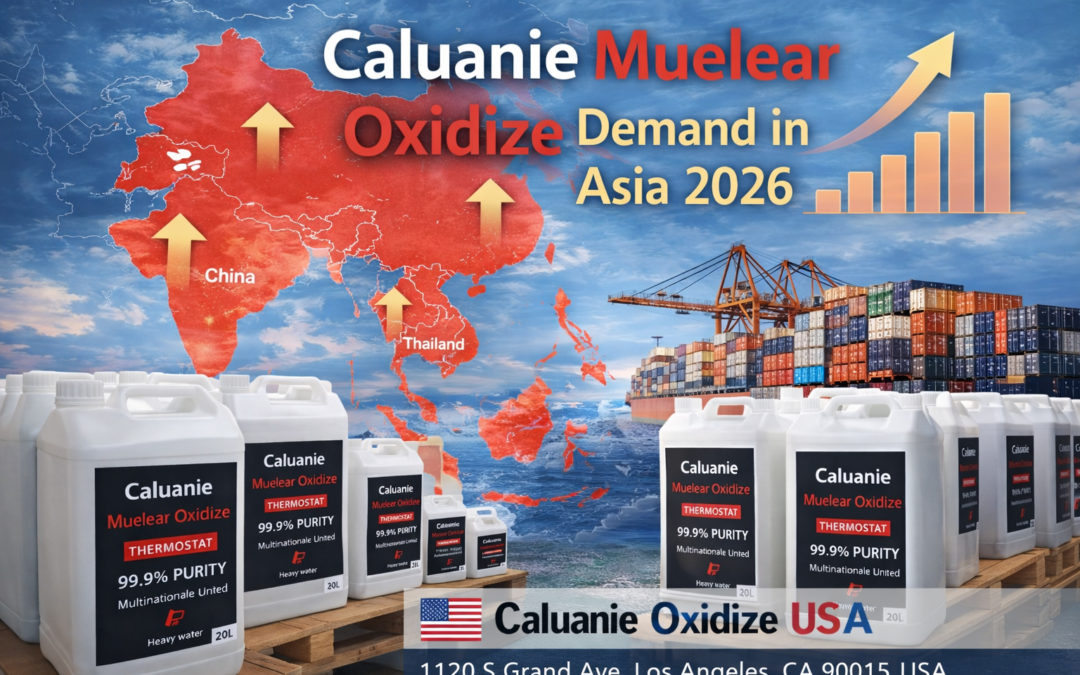
Market Expansion, Industrial Drivers, and Supply Opportunities
This article explores the 2026 demand trends for Caluanie Muelear Oxidize in Asia, the industrial sectors influencing this demand, safety considerations, and how global suppliers are responding to the region’s growing needs.
The global industrial chemical market continues to evolve rapidly in 2026, driven by technological development, advanced manufacturing, and the growing demand for specialized chemical solutions. Among the substances discussed in niche industrial circles is كالواني مويلير أكسدة, a chemical frequently mentioned in relation to metal processing, materials treatment, and industrial material breakdown.
Across Asia—home to the world’s fastest-growing manufacturing economies—interest in specialized chemicals has increased as industrial sectors expand. Countries such as China, Vietnam, Malaysia, Thailand, and South Korea are experiencing sustained growth in heavy manufacturing, construction materials, recycling, and metal refining industries.
In this evolving environment, companies seeking reliable chemical supply chains are looking internationally for suppliers. One notable distributor supporting international shipments is كالواني أوكسيديز الولايات المتحدة الأمريكية, headquartered at 1120 إس جراند أفينيو، لوس أنجلوس، كاليفورنيا 90015، الولايات المتحدة الأمريكية, which has positioned itself as a global supplier shipping industrial chemicals to Asia and other international markets.
The Global Industrial Chemical Market in 2026
Industrial chemicals like Caluanie Muelear Oxidize in Asia remain fundamental to manufacturing and heavy industry. According to industry analyses, the broader market for specialty oxidizing and material-processing chemicals continues to grow steadily, supported by expanding recycling operations, advanced manufacturing technologies, and industrial automation.
Asia has become the central hub for these industries due to several factors:
-
Rapid urbanization
-
Expanding infrastructure projects
-
Growth in electronics manufacturing
-
Rising demand for metal recycling and recovery
These trends create an environment where specialized chemical compounds become part of industrial workflows.
While Europe currently accounts for a large portion of demand for specialty oxidizing chemicals, the Asia-Pacific region represents one of the fastest-growing markets, driven largely by manufacturing expansion in China and Southeast Asia.
Industrial Applications Driving Demand
Understanding demand in Asia requires examining the industries that utilize specialized chemical agents. Although applications vary, they generally fall into several industrial categories.
1. Metal Processing and Recycling
One of the most commonly cited industrial uses involves metal processing and recycling. Chemical reagents can assist with separating materials, preparing metals for further processing, or facilitating recycling operations.
Asia leads the world in metal production and recycling. China alone produces millions of tons of steel annually, while countries like Vietnam and Malaysia have rapidly expanding scrap-metal recycling industries.
2. Materials Engineering and Research
Laboratories and research institutions sometimes require specialized chemical reagents for experimental processes and materials testing.
3. Industrial Manufacturing
Heavy machinery manufacturing, automotive component fabrication, and construction materials production all involve complex material-processing procedures that occasionally rely on industrial chemicals.
Why Asia Is a Major Growth Region
Asia’s industrial economy has experienced remarkable transformation over the past two decades. Several key factors explain why demand for Caluanie Muelear Oxidize in Asia continues to grow.
Rapid Industrialization
Countries such as Vietnam, Indonesia, and Malaysia are investing heavily in:
-
manufacturing parks
-
electronics assembly plants
-
construction materials industries
These sectors rely heavily on chemical supply chains.
Expanding Recycling Economy
With growing environmental awareness and resource scarcity, many Asian countries are expanding recycling industries.
Metal recycling in particular requires specialized processing techniques that involve chemical treatment, mechanical crushing, and refining.
Infrastructure Development
Mega-projects across Asia—from rail networks to smart cities—require huge quantities of processed materials.
Industrial chemicals therefore remain integral to material processing and manufacturing supply chains.
Caluanie Muelear Oxidize in Vietnam
Vietnam has emerged as one of Southeast Asia’s fastest-growing industrial economies.
Over the past decade, the country has transformed from a primarily agricultural economy into a major manufacturing hub.
Industrial Expansion
Vietnam’s industrial growth is driven by:
-
electronics manufacturing
-
shipbuilding
-
metal fabrication
-
recycling industries
Industrial zones in cities like Ho Chi Minh City, Hai Phong, and Da Nang have attracted foreign investment from global corporations.
Chemical Supply Requirements
As manufacturing expands, Vietnamese industries require consistent access to industrial chemicals used in materials processing and manufacturing support.
Companies seeking international supply often look to global distributors capable of handling cross-border shipping, logistics, and documentation.
Growing Import Demand
Vietnam imports many specialized industrial chemicals due to limited domestic production.
This creates opportunities for international suppliers who can provide:
-
consistent quality
-
regulatory documentation
-
secure packaging and transport
Caluanie Muelear Oxidize in China
China remains the largest industrial economy in Asia and arguably the world’s most significant manufacturing hub.
Dominance in Manufacturing
China produces massive volumes of industrial products, including:
-
electronics
-
construction materials
-
heavy machinery
-
automotive components
The chemical industry itself is also one of China’s largest sectors.
Industrial Chemical Consumption
Chinese industries consume large quantities of industrial chemicals across sectors including:
-
metallurgy
-
materials science
-
electronics manufacturing
-
advanced materials engineering
China’s industrial chemical demand is expected to remain strong for decades as the country continues its technological transformation.
Regulatory Environment
China maintains strict regulations governing chemical imports, handling, and transportation.
Companies importing chemicals must comply with national safety regulations and obtain appropriate documentation.
شراء كالواني مولير أوكسيديز في ماليزيا
Malaysia represents another key market within Southeast Asia.
The country’s industrial development strategy focuses on high-value manufacturing, electronics production, and chemical processing.
Malaysia’s Chemical Industry
Malaysia hosts a well-developed petrochemical sector and numerous industrial parks designed to support manufacturing and export industries.
Major industrial zones include:
-
Johor
-
Penang
-
Selangor
These regions house thousands of factories involved in manufacturing and materials processing.
Import Logistics
Malaysia’s strategic location along global shipping routes makes it an important trade gateway for Southeast Asia.
Many companies sourcing industrial chemicals prefer international suppliers that can provide:
-
secure packaging
-
export documentation
-
international freight coordination
International Supply Chains
Global suppliers based in North America and Europe often ship chemicals to Malaysian buyers via major maritime routes connecting Los Angeles, Singapore, and Port Klang.
نصائح السلامة من الأكسدة
Handling Caluanie Muelear Oxidize in Asia requires strict safety protocols. Regardless of the chemical involved, proper safety procedures are essential to protect workers, facilities, and the environment.
Important safety principles include:
1. Professional Handling Only
Industrial chemicals should be handled only by trained personnel working in professional environments.
2. Protective Equipment
Workers should use appropriate protective equipment such as:
-
chemical-resistant gloves
-
safety goggles
-
respirators where required
-
protective clothing
3. Controlled Storage
Chemicals must be stored under recommended temperature and humidity conditions.
Storage facilities should include:
-
ventilation systems
-
containment equipment
-
spill-response materials
4. Regulatory Compliance
Every country has chemical safety regulations governing:
-
storage
-
transportation
-
labeling
-
disposal
Businesses must comply with local and international safety regulations when handling industrial chemicals.
Logistics: Shipping Industrial Chemicals to Asia
One of the most complex aspects of chemical distribution is logistics.
Shipping chemicals internationally requires:
-
specialized containers
-
وثائق المواد الخطرة
-
إجراءات التخليص الجمركي
-
الامتثال للوائح الشحن الدولية
غالباً ما تعتمد الشركات التي تصدر المواد الكيميائية في جميع أنحاء العالم على شراكات مع شركات نقل البضائع ذات الخبرة في نقل المواد الخطرة.
يُعد التغليف والترقيم والتوثيق المناسب أمراً ضرورياً لضمان النقل الآمن والامتثال للوائح التنظيمية.
شركة كالواني أوكسيدايز الولايات المتحدة الأمريكية: مورد رائد يشحن إلى آسيا
مع ازدياد الطلب العالمي على مادة كالواني مولير أوكسيديز في آسيا، يلعب الموردون الموثوق بهم دورًا حاسمًا في ربط المشترين والمصنعين عبر القارات.
أحد الموردين الذين يخدمون الأسواق الدولية بنشاط هو كالواني أوكسيديز الولايات المتحدة الأمريكية, ، ومقرها في 1120 إس جراند أفينيو، لوس أنجلوس، كاليفورنيا 90015، الولايات المتحدة الأمريكية.
موقع استراتيجي
تُعد لوس أنجلوس واحدة من أكبر المراكز اللوجستية في العالم، حيث تتيح الوصول إلى:
-
طرق الشحن الرئيسية في المحيط الهادئ
-
شبكات الشحن الدولية
-
البنية التحتية العالمية للتصدير
يُتيح هذا الموقع للشركات التي تتخذ من لوس أنجلوس مقراً لها إمكانية الشحن بكفاءة إلى آسيا.
التوزيع العالمي
غالباً ما يقوم موزعو المواد الكيميائية الدوليون بشحن المنتجات في جميع أنحاء العالم باستخدام عبوات آمنة وشبكات لوجستية مصممة للمواد الخطرة.
يقدم الموردون خدماتهم عادةً للعملاء في مناطق تشمل:
-
الصين
-
فيتنام
-
كوريا الجنوبية
-
ماليزيا
-
تايلاند
-
آسيا الوسطى
تُعدّ قدرات الشحن الدولي أمراً بالغ الأهمية للشركات العاملة في الأسواق الصناعية العالمية.
معايير التوريد المهنية
عادةً ما يركز موردو المواد الكيميائية المحترفون على ما يلي:
-
اتساق المنتج
-
ضبط الجودة
-
تغليف آمن
-
الامتثال للوائح الشحن الدولية
تساعد هذه المعايير في ضمان حصول المشترين الصناعيين على المواد بأمان وموثوقية.
توقعات السوق في آسيا خلال الفترة 2026-2030
وبالنظر إلى المستقبل، من المرجح أن تشكل عدة اتجاهات مستقبل الطلب على المواد الكيميائية الصناعية في جميع أنحاء آسيا.
1. نمو قطاع التصنيع
ستستمر آسيا في الهيمنة على الإنتاج الصناعي العالمي.
2. توسع صناعة إعادة التدوير
ستشهد صناعات إعادة تدوير المعادن واستعادة المواد نمواً كبيراً بسبب اللوائح البيئية ونقص الموارد.
3. بحوث المواد المتقدمة
تستثمر المؤسسات البحثية في جميع أنحاء آسيا بكثافة في علوم المواد والهندسة الكيميائية.
4. سلاسل التوريد الدولية
ستظل سلاسل التوريد العالمية ضرورية للصناعات التي تعتمد على مواد كيميائية متخصصة لا يتم إنتاجها محلياً.
خاتمة
يرتبط الطلب على المواد الكيميائية المؤكسدة في آسيا ارتباطًا وثيقًا بالتحول الاقتصادي الذي تشهده المنطقة. فالتصنيع السريع، وتوسع قطاعات التصنيع، ونمو صناعات إعادة التدوير، كلها عوامل تساهم في تزايد الحاجة إلى الكواشف الكيميائية المستخدمة في معالجة المواد والتطبيقات الصناعية.
دول مثل الصين وفيتنام وماليزيا تمثل أسواقاً رئيسية نظراً لقواعدها التصنيعية الكبيرة وبنيتها التحتية الصناعية المتنامية.
مع استمرار نمو الطلب في عام 2026 وما بعده، سيلعب الموردون الدوليون دورًا حاسمًا في تلبية احتياجات آسيا. شركات مثل كالواني أوكسيديز الولايات المتحدة الأمريكية في لوس أنجلوس توفير إمكانيات توزيع عالمية تربط منتجي المواد الكيميائية بالمشترين الصناعيين عبر القارات.
بينما يستمر قطاع الكيماويات الصناعية في التطور، يبقى عامل واحد ثابتاً: سلاسل التوريد الموثوقة، وممارسات المناولة الآمنة، والامتثال التنظيمي أمور ضرورية للحفاظ على النمو في سوق الكيماويات العالمي.
 English
  简体中文
简体中文  Tiếng Việt
  O‘zbekcha
  Deutsch (Sie)
  日本語
日本語  ქართული
  Қазақ тілі
  한국어
한국어  Русский
  ភាសាខ្មែរ
  Bahasa Melayu
  ພາສາລາວ
  العربية
  Türkçe
  Azərbaycan dili
  Português do Brasil